Chandrakant Agme
How we measure determines what we get.
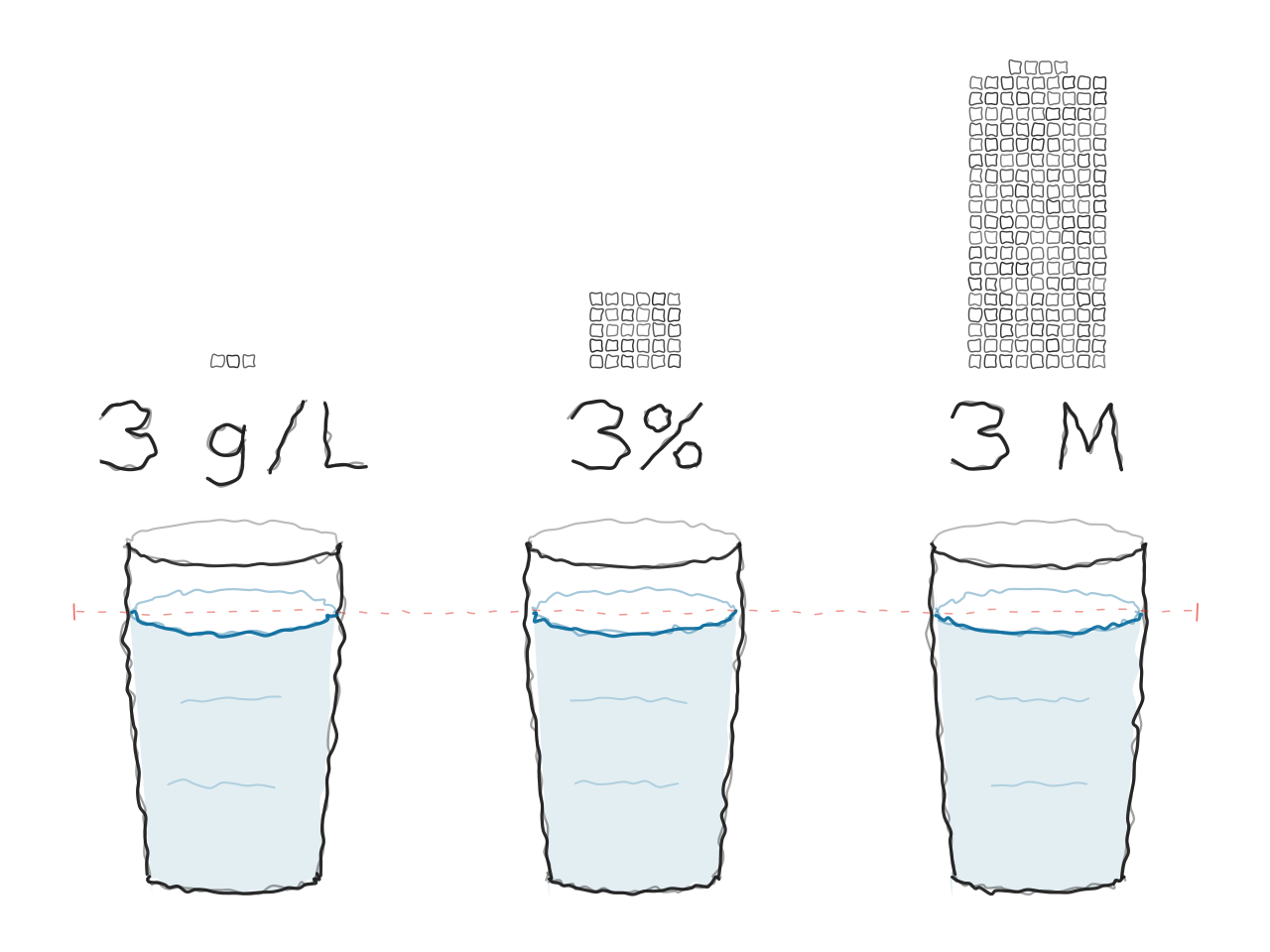
Three ways of saying 3. The same water, 58× the salt.
I am a Predoctoral Research Fellow at the Dyson School of Applied Economics and Management, Cornell University, where I work with John Hoddinott and Joanna Upton on food safety, security, and nutrition in sub-Saharan Africa, specifically in Madagascar, Malawi, and Ethiopia. I’m also on the organizing committee for NEUDC 2026, hosted at Cornell University.
Before Cornell, I completed an MS in Agricultural and Resource Economics from the University of Arizona, working with Anna Josephson, Jeffrey Michler, George Frisvold, and Timothy Finan. My thesis received AAEA’s Outstanding Master’s Thesis Award in 2025. I also have an MBA in General Management from IIM Bodh Gaya, and a BTech in Petrochemical Engineering from Dr. Babasaheb Ambedkar Technological University.
Fields: development economics, agricultural economics, food and nutrition economics.
Methods: applied microeconometrics, field experiments, measurement and survey design.
The common thread in my research is that measurement choices determine the conclusions we reach. In observational work, which food security indicator you use decides who is counted as food insecure, which comparison group you choose determines what the effect of the policy looks like, which targeting rule you apply decides which households are considered needy, and which instrumental variable you select determines what the predictive power looks like. In experimental work, fixed in a pre-analysis plan, the outcome definition you use decides what the trial measures, and the survey instrument you choose determines what outcome measures are captured and how. I work with high-frequency food security panel data from Malawi, Ethiopia, and Madagascar; RCT data I helped collect in Madagascar; and the World Bank’s LSMS-ISA.
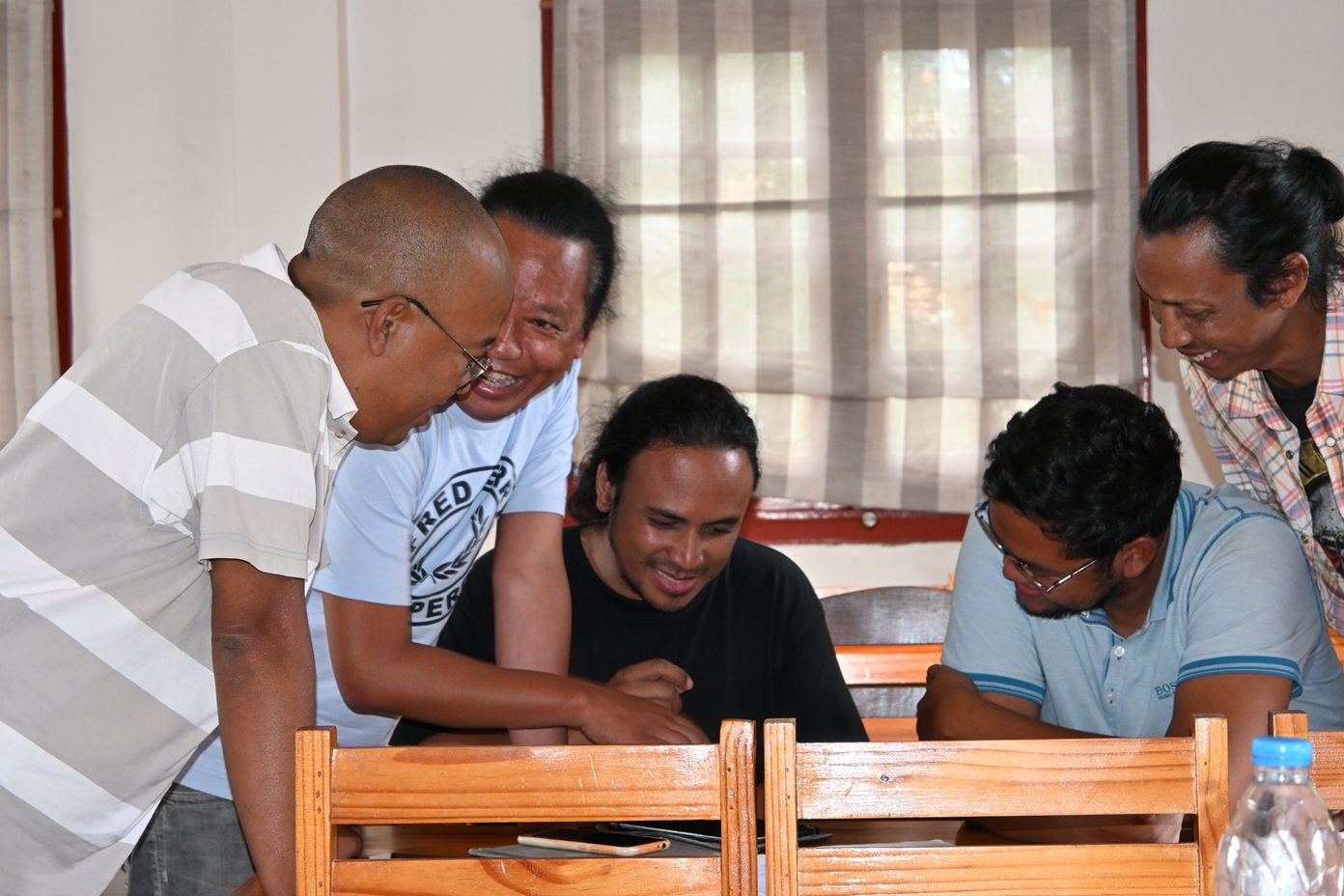 Enumerator training, Antananarivo.
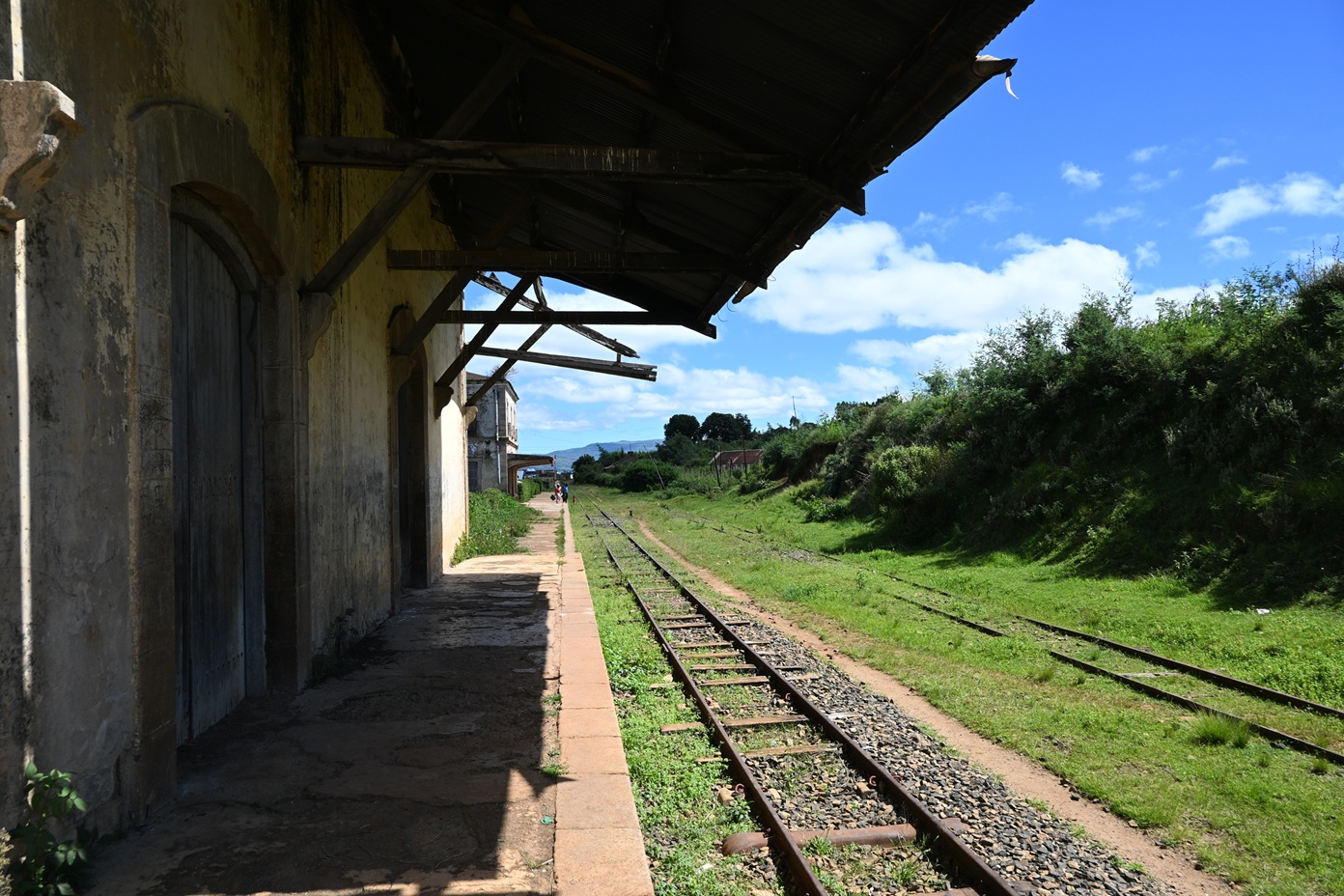 Rainy day at school, Ambohibary.
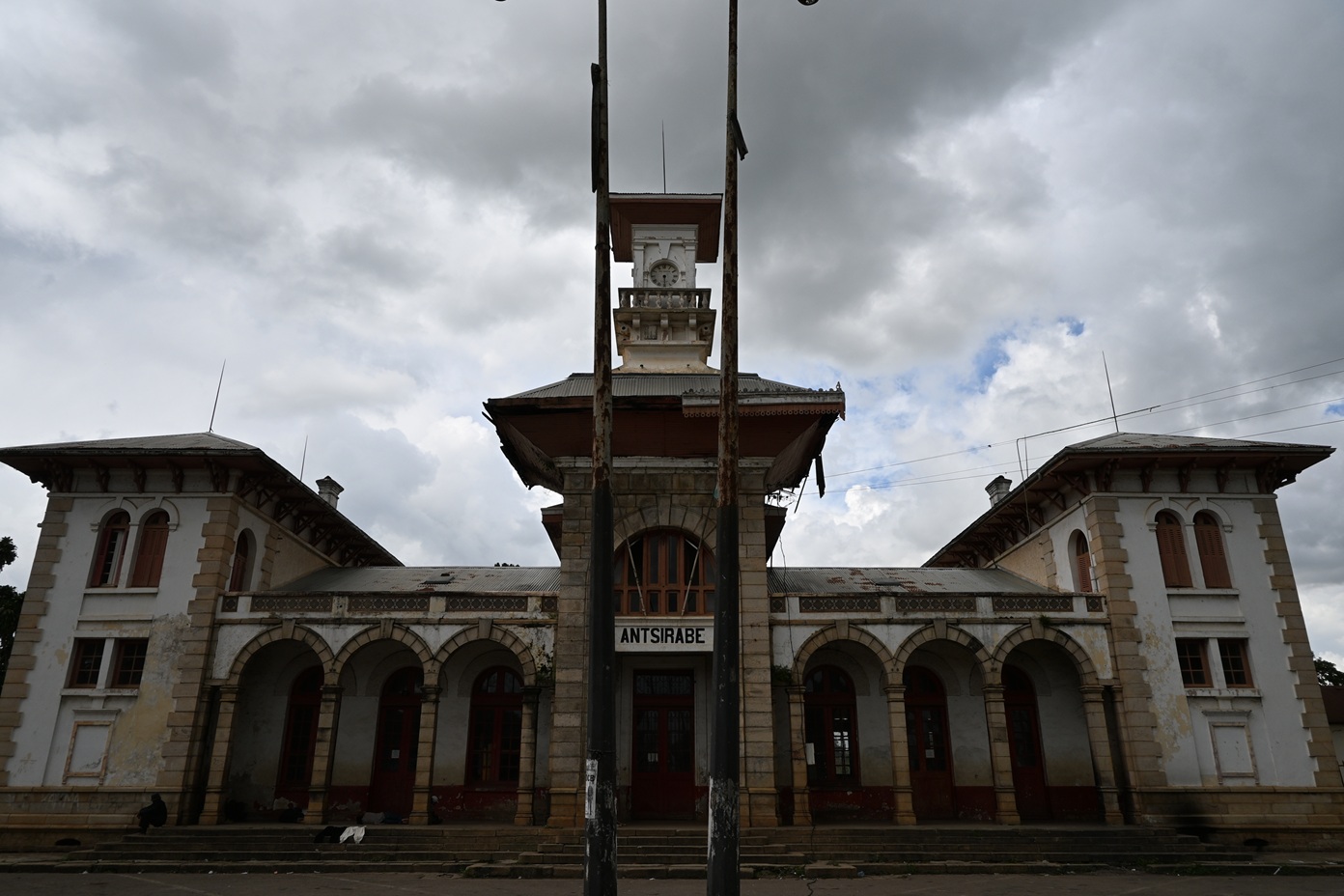 School food storage facility, Antsirabe.
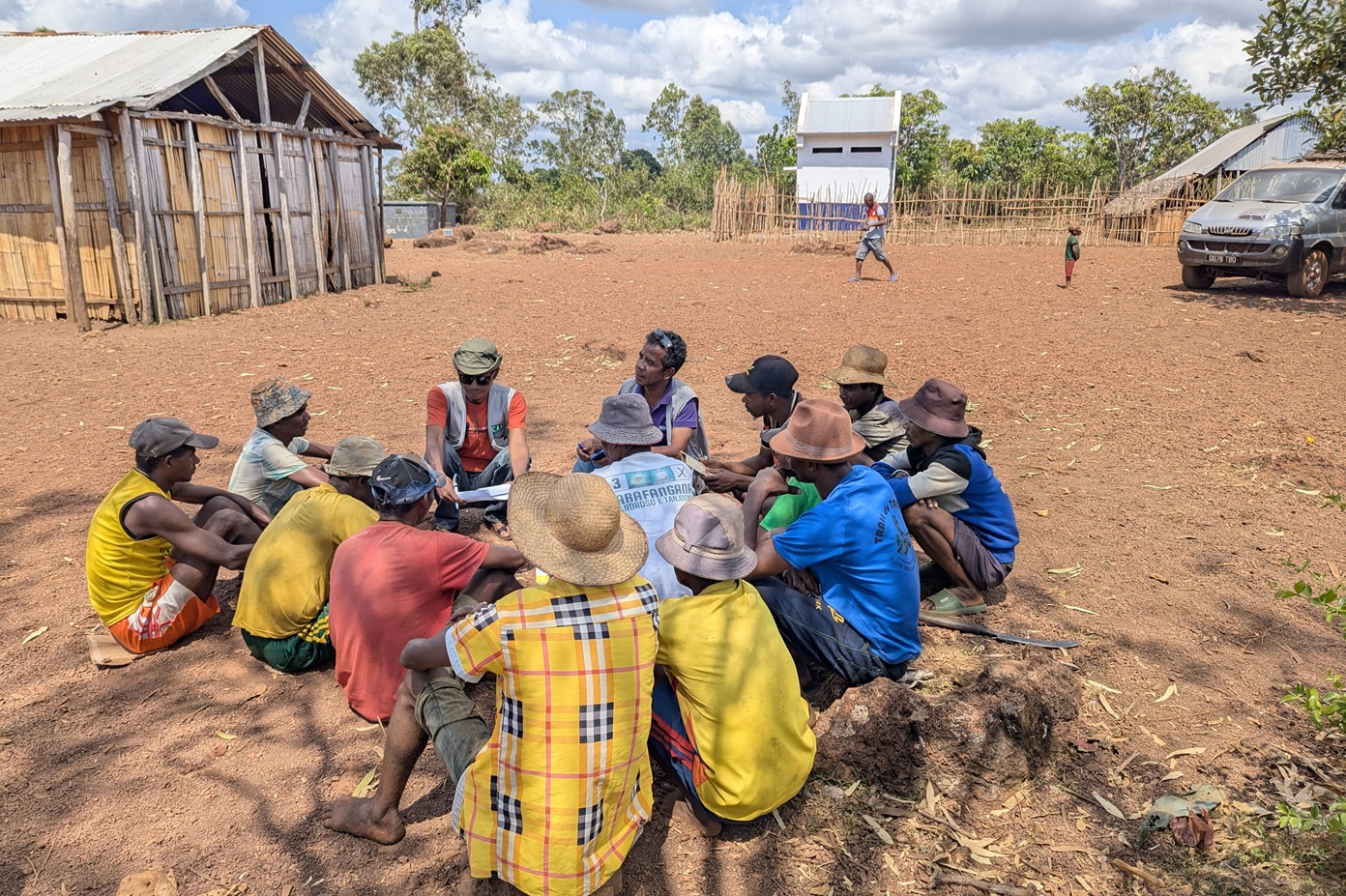 Men’s focus group discussion, Farafangana.
I read anything with words on it: paleontology (Brusatte’s The Rise and Fall of the Dinosaurs and The Rise and Reign of the Mammals), diseases (Quammen’s Spillover, my standing gift book), novels (currently reading The Luminaries by Eleanor Catton), travelogues (Gimlette’s Gardens of Mars doubled as an excellent guidebook), and short stories (Mushtaq and translator Bhasthi’s Heart Lamp). If you have books that you swear by, please recommend them my way.